How to Build Business Credit from the Ground Up
When I started my first LLC, I thought a strong personal FICO Score was all I needed to get business loans. I was wrong. Lenders look at your Business Credit Score just as closely, sometimes more. Building that score takes time and strategy, but it is one of the most valuable things you can do for your company. If you learn how to build business credit properly, you open doors to better financing, lower interest rates, and terms that don't require a Personal Guarantee on every line.
Many entrepreneurs skip this step because they do not realize that business credit works differently from personal credit. You cannot just pay bills on time and expect a high number. You have to establish a separate credit profile for your company, and that means working with the right bureaus and vendors. The three main players in this space are Dun & Bradstreet, Experian Business, and Equifax Business. Each one collects data a bit differently, and each one matters for different lenders. To build business credit effectively, you need to show up on all three.
Getting the Foundations Right
Before you apply for any trade line or business credit card, you need a few basics in place. First, obtain an Employer Identification Number from the IRS. This is like a Social Security number for your business. You will use it to open bank accounts, file taxes, and register with credit bureaus. Without an EIN, most lenders and vendors will not even consider you. Second, make sure your business is structured as an LLC, corporation, or another legal entity. A sole proprietorship makes it much harder to separate your personal and business credit profiles. Third, open a dedicated business bank account and get a business phone number listed with directory assistance. Dun & Bradstreet and the other bureaus use that listing to verify your company exists.
Once those pieces are in place, you can start applying for vendor credit and Net 30 Accounts. These are accounts where you pay the full balance within 30 days. They are the building blocks of Corporate Credit. A Net 30 account with a supplier who reports to the bureaus will create a positive entry on your Commercial Credit Report. Even a small office supply order can help. The key is consistency: pay every invoice early or on time, and never let a balance go past due.
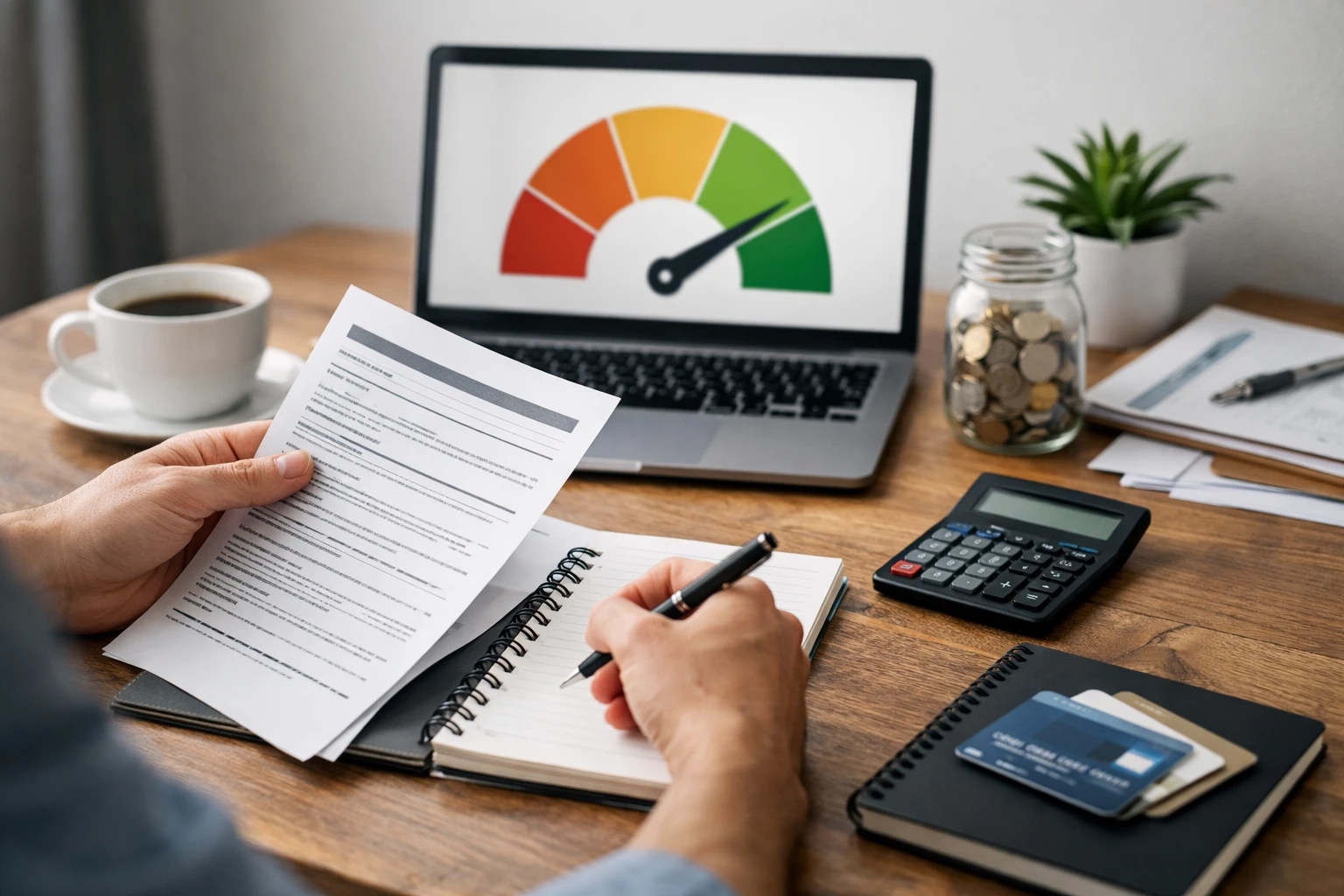
Understanding the Bureaus and Your Score
Each bureau has its own scoring model. Dun & Bradstreet uses the PAYDEX score, which ranges from 1 to 100 and is based almost entirely on payment history. Experian Business and Equifax Business use different scales and factor in things like public records, credit utilization, and industry risk. A Tax Lien or a judgment can damage your score on all three, so it is important to monitor your Credit Report from each bureau regularly. Credit Repair for business accounts works similarly to personal credit repair: you dispute inaccuracies and work with creditors to remove negative items that are not yours or are outdated.
A common mistake I see is people assuming that a high personal credit score automatically gives them a high Business Credit Score. That is not true. Business credit is built on trade references, not personal loans. You need active Trade Lines that report to the bureaus. If a vendor does not report, that payment history does not help your score. That is why it is worth asking every new supplier whether they report to Dun & Bradstreet, Experian Business, or Equifax Business before you open an account.
Practical Steps to Build Business Credit
Let me walk you through the process I recommend to clients who ask how to build business credit. Start with five or six Net 30 Accounts from vendors who definitely report. Office supply stores, shipping companies, and some wholesale distributors are good places to start. Use these accounts for small, regular purchases and pay them off in full each month. After about six months, you will likely have a PAYDEX score and entries on the other bureaus.
Next, apply for a Business Credit Card from a bank that reports to the commercial bureaus. Use it for everyday expenses and keep your Credit Utilization Ratio under 30 percent. That means if your limit is $10,000, never carry a balance above $3,000. Pay the statement balance in full each month. Doing this shows lenders that you can manage revolving credit responsibly. Over time, your Business Credit Score will rise, and you can qualify for higher limits and better terms.
Once you have a solid score, you can apply for Business Loans through the Small Business Administration or traditional banks. The SBA does not directly lend money, but it guarantees loans made by partner lenders, which reduces their risk. With a strong business credit profile, you can often get an SBA loan without a Personal Guarantee, or at least with a limited one. That is a huge advantage because it keeps your personal assets separate from your business debts.

Common Pitfalls and How to Avoid Them
One of the biggest risks is mixing personal and business expenses. If you use your personal credit card for business purchases, or vice versa, it blurs the line between the two profiles. Lenders and bureaus may not know which debts belong where. Always use a dedicated business card. Another pitfall is applying for too many accounts at once. Each application can generate a hard inquiry on your business credit file, and too many inquiries in a short period lower your score. Be strategic: space out applications by at least three months.
Also watch out for vendor accounts that do not report. Some suppliers offer Net 30 terms but never send payment data to the bureaus. If you are paying those accounts on time, you are not getting any credit benefit. Ask upfront whether they report. If they do not, consider whether the account is worth keeping. You can also ask them to start reporting; some will if you have a good payment history.
Tax Liens and judgments are serious threats to your business credit. If you have one, deal with it before you start building credit. Pay it off, negotiate a payment plan, or get it released. A lien can stay on your Commercial Credit Report for years and block your access to Business Loans and trade credit. Credit Repair for business often involves working with a lawyer or a credit specialist to get liens removed or settled.
Long-Term Maintenance and Growth
Building business credit is not a one-time project. It requires ongoing attention. Check your Dun & Bradstreet file, Experian Business report, and Equifax Business report at least once a year. Look for errors, outdated entries, or accounts that should not be there. Dispute anything that is wrong. A single incorrect late payment can drag your score down for months.
As your company grows, add more Trade Lines from larger suppliers. Increase your credit limits on your Business Credit Cards, but keep your Credit Utilization Ratio low. The goal is to show that you can handle larger amounts of credit without overextending. Lenders like to see a long, stable history of on-time payments across multiple accounts. That kind of profile makes you eligible for better terms on everything from equipment leases to commercial real estate loans.
Finally, remember that Vendor Credit and trade accounts are your best friends in the early years. They are easier to get than bank loans, and they build your credit profile faster than almost anything else. Once you have a strong base, you can approach the Small Business Administration or a local bank for a larger line of credit. The whole process takes discipline, but it pays off. Every time you get approved for a loan without a Personal Guarantee, you will know it was worth the effort.
If you are serious about growing your company, take the time to build business credit the right way. It gives you leverage, protects your personal assets, and puts you in control of your financial future. Start with the basics: get your EIN, structure your business, open Net 30 accounts, and pay everything on time. Within a year, you will see real results on your Business Credit Score. And that score is the key to the capital you need to scale.